
Why fines backfire: the daycare that made parents later
A daycare fined parents who came late and got more late parents. What a fine, a fee or a payment can quietly switch off, and how to keep it on.
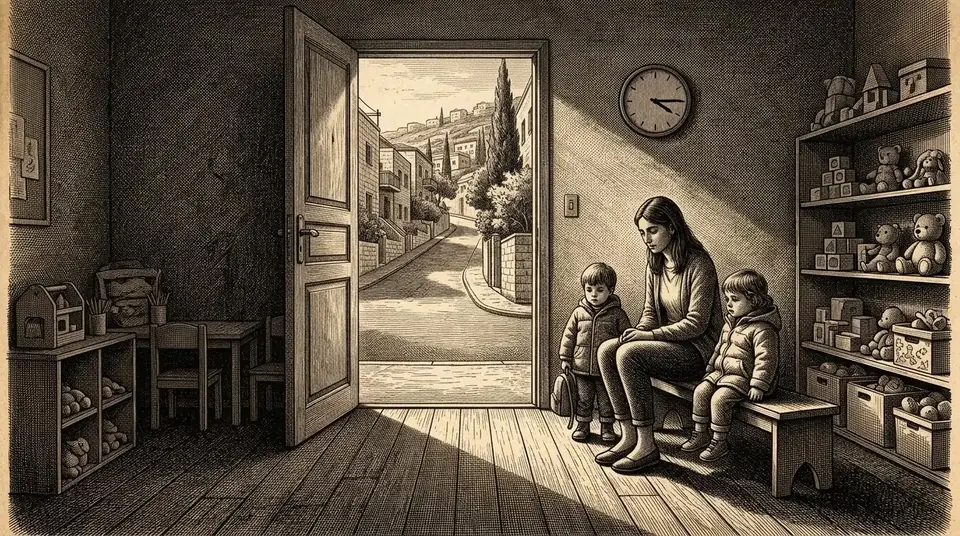
In 1998, ten daycare centres in Haifa, Israel, had a small, ordinary problem. They closed at four, and some parents kept turning up late.
So six of them tried the obvious fix. Come more than ten minutes late, and you pay a fine. Within a few weeks, twice as many parents were coming late.
The parents weren’t rebels, and it wasn’t a fluke. The fine changed what being late meant. The same switch is hiding in plenty of rules you live under, at work, at home and in your bank account.
By the end you’ll know what it is, and the one question that tells you whether a penalty or a bonus will flip it.
Four o’clock in Haifa
The centres opened at half past seven and closed at four. When a parent was late, a teacher stayed behind with the child. Nobody paid her for it. It was simply part of the job, and the parents knew it.
The economists Uri Gneezy and Aldo Rustichini spent four weeks just counting late parents. Then six of the centres pinned a note to the noticeboard. From now on, a parent more than ten minutes late would pay ten shekels per child, added to the monthly bill. The other four centres changed nothing.
Ten shekels wasn’t nothing. A babysitter earned 15 to 20 shekels an hour, and a parking ticket cost 75. You’d expect late pickups to drop, at least a little.
They rose. Week after week more parents came late, until the count settled at more than double where it had started. In the four centres without a fine, nothing changed at all.
What ten shekels bought
Before the fine, a late parent knew exactly what was happening at the daycare. A teacher was waiting, unpaid, with a tired child. That’s a favour asked of a real person, and most of us hate asking it.
The fine settled the matter. Lateness now had a price, and a cheap one: ten shekels for twenty extra minutes beat any babysitter in town. The guilt was gone, because the parent wasn’t asking a favour any more. They were buying a service.
The researchers put it in four words in the title of their paper: a fine is a price.
Then came the part that should worry anyone who writes rules. In the seventeenth week, the centres dropped the fine without explanation. Take a guess at what the late pickups did next.
What happened when the fine was gone?
Nothing. They stayed at the new, higher level until the study ended.
A small, sensible rule ran for twelve weeks, and the change it made outlasted the rule itself. Once a favour has become a purchase, taking the price away doesn’t turn it back into a favour.
The village that turned down the money
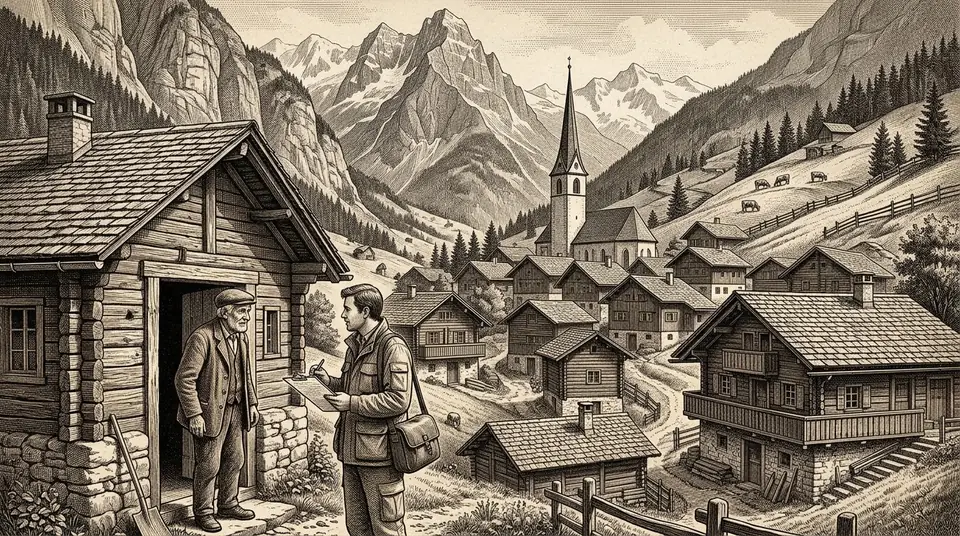
If that sounds like a quirk of daycares, here’s the same thing with far higher stakes. In 1993, Switzerland was looking for a place to store low- and mid-level nuclear waste. Two neighbouring villages in the centre of the country were on the list.
Interviewers went door to door and spoke to 305 residents. Most thought the site carried real risks. Even so, 50.8 percent said they would accept it. The waste had to go somewhere, and they saw saying yes as their duty.
Then the interviewers asked the same question with one change. The government would pay every resident a sum each year, between about 2,000 and 6,500 dollars. Guess what the money did.
What did the money do?
Support fell to 24.6 percent. Offering cash halved it, and offering more cash didn’t win it back.
The economists Bruno Frey and Felix Oberholzer-Gee called it crowding out. Without the offer, saying yes was a public duty. With it, yes became a deal, and as a deal it looked like a bad one. Plenty of people don’t like the feeling of being bought.
Where your rules put a price on the wrong thing
You don’t run a daycare or choose sites for nuclear waste, but you almost certainly do this.
A team that used to help each other out gets bonuses for individual sales, and the helping quietly stops, because now there’s a meter running. A child who did chores as part of the family gets paid per chore, and starts asking what each one is worth.
A fee for cancelling late can make some people cancel more freely. They’ve paid for the right, after all.
It’s a close cousin of the cobra effect, with one difference. The cobra farmers found a cheap shortcut to the number. Here nobody games anything. The money simply replaces a better reason people already had, and that reason doesn’t come back when the money goes.
One question before you put a price on it
Before you add a fine, a fee or a bonus, ask: why do people do the right thing now, before any money is involved?
If the answer is duty, kindness, pride or not wanting to let someone down, money can switch that off. Ten shekels told Haifa’s parents that the teacher’s evening was for sale, and cheap.
If you need a penalty anyway, make it big enough to bite, the way a parking fine is. Or keep the person in view instead of the price. A teacher who mentions she missed her bus is much harder to shrug off than a line on a bill.
And if people already do the right thing without being paid, think hard before you start paying them. You may be buying something you already had, at a price that ends the free version.
Fines aren’t the only money that backfires. Pile on enough reward and it can break the very skill you’re paying for. That’s what happened when researchers in southern India offered villagers a month’s spending to win a simple game.
Sources
- Uri Gneezy and Aldo Rustichini, “A Fine Is a Price”, Journal of Legal Studies 29, no. 1 (2000), pp. 1–17.
- Bruno S. Frey and Felix Oberholzer-Gee, “The Cost of Price Incentives: An Empirical Analysis of Motivation Crowding-Out”, American Economic Review 87, no. 4 (1997), pp. 746–755.
- The pictures are our own illustrations, not archive images.

Prefer to watch?
Each of our films follows one story like this to the moment it turned.
More from Incentives & Game Theory
The Cobra Effect: why smart people pay for the wrong thing
Why paying for results so often backfires: Delhi's cobras, Hanoi's rat catchers, a bank's fake accounts, and the question that catches it in ten seconds.
When pay for performance works: the windshield test
One company paid installers per windshield and output rose about 44 percent. Why it worked when bounties, fines and big bonuses backfired.